The Not So Well-Known Benefits Of Wood Burning Stove
Why a Wood Burning Stove Should Be Properly Sized and Installed Wood stoves are a great way to provide affordable, clean heat for your home. However wood stoves need to be properly sized and installed to ensure maximum efficiency. Avoid opening and closing the door to the wood stove frequently, as this creates a vortex that sucks smoke and volatile compounds that have not been burned back into the room. Energy Efficiency Radiant heat is used to warm the home instead of hot air that's forced into the house through its ventilation system. This is a more effective method of heating your home, as the heat radiates from every side of the. 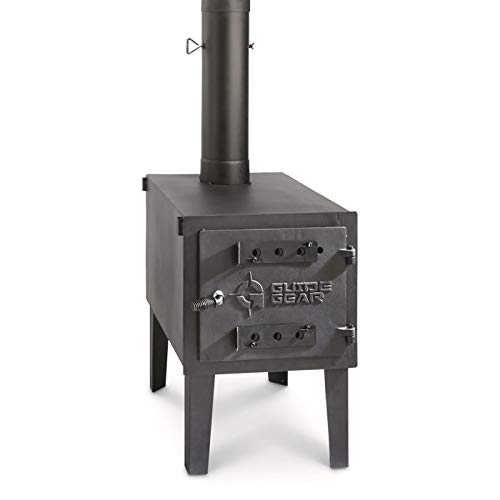 Modern wood stoves have been designed to be as efficient as they can. Manufacturers must meet stricter regulations regarding emissions and the most efficient method to do this is to make their stoves more efficient in energy use. The vast majority of our stoves (both DEFRA approved and EPA certified) have efficiency ratings of 70%, which means that a lot more of the heat that is generated is actually used to heat your home instead of going up the chimney. Another benefit of a wood burning stove is that it gives you a completely independent heat source. A wood burner can provide warmth during a power cut or gas shortage, provided you have enough logs. Wood burning stoves are more reliable than other forms of heating as they do not rely on oil or electricity to function. This is especially true in remote areas where other energy sources could be interrupted over a long time. A high-quality log burner will warm your home to 80 percent efficiency. This is a huge improvement over older stoves that typically operated at less than 20 percent efficiency. It is also one of the reasons why a new stove is a wise investment. A catalytic wood stove will re-burn unburned gases and smoke that escape the firebox by secondary combustion, further improving efficiency. Non-catalytic wood stoves are becoming more popular, since they don't require costly catalyst technology to achieve the same levels of efficiency. They can also be purchased at a cheaper prices. This is especially beneficial for those who wish to save money on fuel costs and also reduce their carbon footprint. Clean Burning A wood stove is a device that burns wood to generate heat, but it also releases particles and gases into the air. This can result in poor air quality in some areas and can affect our health. This is why it is essential to make use of clean burning technology for your wood burner. With a modern wood stove that uses Clean Burn technology, you can reduce dust and airborne particles. This not only makes your home healthier, but it can also save you money as you will get more heat from every log. Today's ECO design stoves meet one of the most stringent requirements in the world when it comes to emissions from particles – they are allowed to release not more than 5 grams per kilogram of wood burned. At Jotul, we have far greater goals – we want to give you the very best when it comes to the environment and your health. We've created a technological solution which means that our wood stoves have less than half the required amount – and in some cases less than 1 grams! Modern stoves have many ways to optimize the combustion of wood. It is crucial to keep track of air flow and only reduce it once the fire is hot and established. Cleaner stoves produce less creosote. This sticky substance could create serious fire hazards. The lower production of creosote will also help you save time and money on chimney sweeping expenses. Our new wood stoves' high-performance is also a result of the pre-heated secondary air. This is a different level of air which is introduced above the fuel load and helps to ensure that all particles are combusted. This is the reason for a large part of the outstanding performance of our new stoves, such as the Defra-approved Hi-Flame Graphite 5 You should always make sure that your wood stove is used only in smoke control zones (or exempt zones) in areas where it is permitted to do so. Smoke from the wood stove isn't only dangerous for those within the immediate vicinity, but it can travel long distances and contribute to poor air quality in nearby communities. Eco-Friendly Wood burners provide a low-carbon alternative to stoves made of fossil fuels. Trees absorb carbon dioxide from the atmosphere and release it back when they are burnt as part of an enclosed CO2 cycle. This process is far less damaging to the environment than emitting carbon dioxide into air when you use oil, gas or electricity for heating your home. A modern stove has a greater efficiency than earlier models, meaning that you can heat your home using much less firewood. Some models are so efficient that they emit almost no smoke, produce minimal ash and require 70 percent less wood than traditional stoves. The newest EPA-certified stoves include additional safety features, including an automatic shutoff to prevent overheating. Alongside being a great source of heat eco-friendly stoves are the best way to save money on your energy bills. The cost of electricity and gas seem to be increasing every year. With a wood-burning stove, you can manage your heating needs and eliminate the middlemen. You can also use reclaimed wood or salvaged wood to make your stove even more environmentally friendly. Many people collect wood that could otherwise be discarded in building projects or disposed however it is essential to ensure it's dry before you burn it. This is particularly important when you live in a smoke-control zone where the use of damp or wet wood is not permitted. Wood burning stoves are environmentally sustainable because they make use of renewable energy sources. If you purchase your wood from a sustainable forest, one tree will be planted for each one that is cut down to be used and helps reduce the destruction caused by fossil fuel production. It is important to note that while wood burning stoves have lower emissions than other stoves, they still produce some fine particulate matter pollution. These tiny, toxic particles can get deep into the lungs, and could be extremely detrimental to your health. The independent body that sets standards for heating appliances HETAS has been leading a campaign to improve wood stoves in order that they reduce this type of pollution to the maximum extent possible, and a number of manufacturers are creating eco-friendly wood burners that meet the most recent standards. Cooking When used correctly, wood stoves can be very secure. If you're not experienced with wood burning, it's best to get a professional to check your fireplace and ventilation systems to ensure that they are operating properly. Modern wood burners make use of a chimney and firebox to draw in air and release smoke. The ventilation pipe and chimney are used to control the amount of creosote (a volatile organic compound) produced when wood burns. The accumulation of creosote in the chimney could reduce effectiveness and increase the fire hazard, which is why it is essential to keep your stove. The crackle of the flame and the smell of burning wood create a cozy atmosphere that can transport you back to simpler times. A wood-burning stove also adds a unique taste that can't be replicated with gas or electric stoves. The smokey aroma of roasting meats and hearty soups give meals a distinctive and memorable taste that cannot be replicated with other methods of cooking. It is also known that cooking on wood-burning stoves is more healthy than other forms of cooking. For instance, if roast meats or vegetables on your wood-burning stove, the heat of the flames can help preserve nutrients that can be lost when cooking food for prolonged periods of time. Many people opt to use wood-burning stoves in lieu of gas or electricity to heat their home. It's a reliable method of heating, which is particularly beneficial during power outages and in areas where there is a shortage of fossil fuels. Most people also find that a wood stove can be a more economical way to heat their home than installing and purchasing a traditional electric or gas stove. It is also more environmentally sustainable as wood is a renewable fuel source and emits less CO2 into the atmosphere when it is gathered and burned correctly.